Anhydride Curing Agents Are Gaining Attention in Electronics Manufacturing
Electronic components are expected to operate under heat, vibration, moisture and electrical stress, often for years at a time. Protecting those components requires more than placing them inside an enclosure. The materials used to seal and insulate them also influence how well they perform under demanding conditions.
That’s one reason anhydride curing agents for epoxy resins are receiving attention in electronics manufacturing. These compounds help form epoxy materials with properties suited to electrical insulation, component encapsulation and other applications where heat resistance and dimensional stability matter. At Broadview Technologies, we supply specialty anhydrides used in epoxy formulations for electrical, composite and other industrial applications. Understanding how these materials work can help manufacturers make informed decisions when selecting an epoxy system.
What Are Anhydride Curing Agents for Epoxy Resins?
An epoxy resin needs a curing agent to react with it and form a hardened polymer network. The curing agent influences the physical, thermal and electrical properties of the finished material.
Anhydrides are a family of chemical compounds used in epoxy formulations. During curing, they react with epoxy groups to create a crosslinked structure. Depending on the resin, curing agent and formulation, the resulting material can offer low shrinkage, good electrical insulation and resistance to elevated temperatures.
Unlike many amine-based systems, anhydride-cured epoxies often have a longer working time before curing begins to significantly increase viscosity. This gives manufacturers more time to mix, dispense and position the material during certain production processes. Many anhydride systems also require elevated temperatures or an accelerator to complete the cure, so the formulation and curing schedule need to match the application.
Why Electronics Manufacturers Are Looking at Anhydride Systems
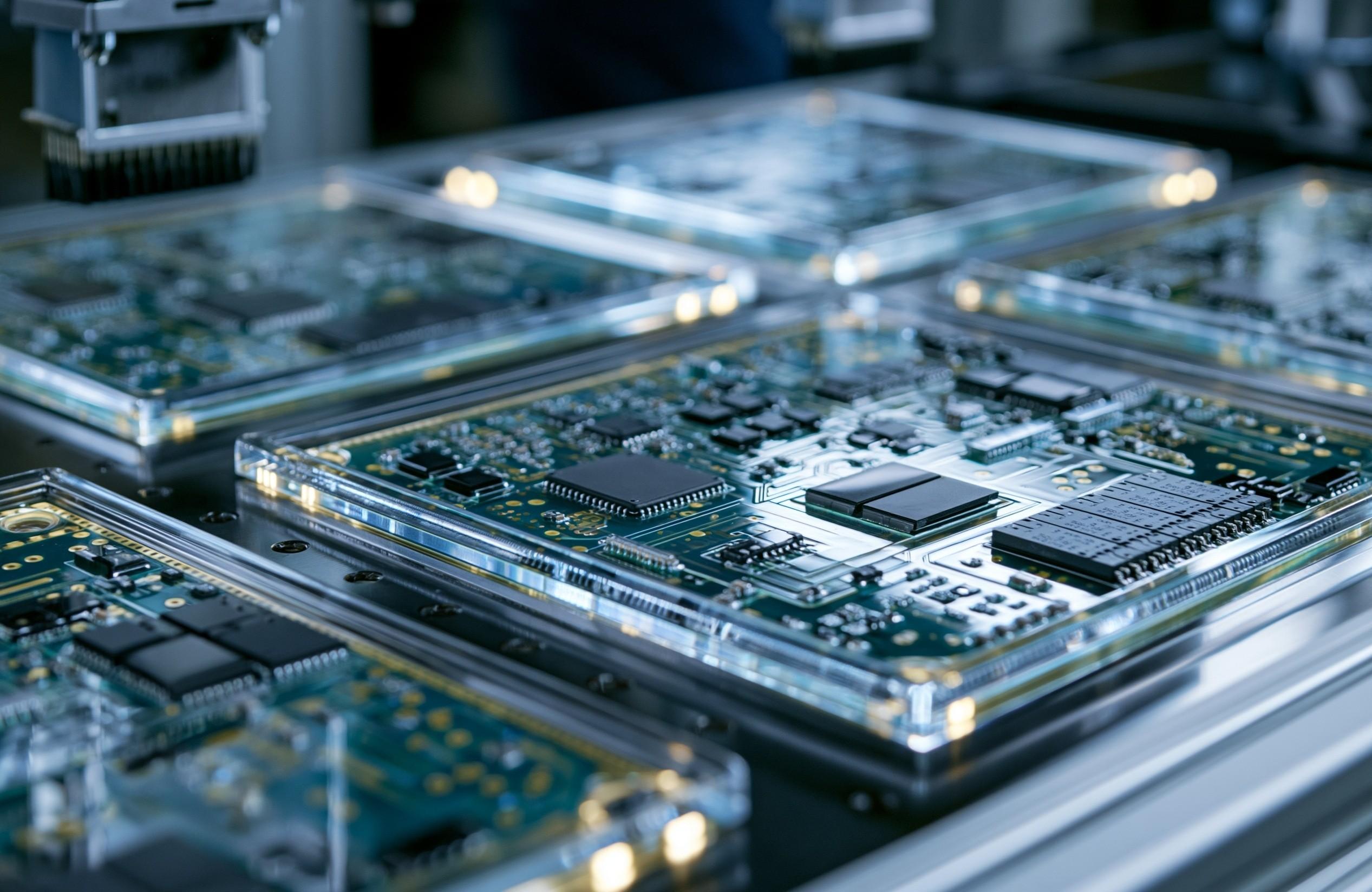
Electrical assemblies can contain transformers, coils, capacitors, circuit boards and other components that need protection from their surroundings. A potting compound fills the space around these parts, creating a protective barrier that can help limit exposure to moisture, contaminants and mechanical stress.
An epoxy resin curing agent plays a direct role in determining how that protective material behaves after it hardens. Anhydride-cured systems offer several properties that make them worth considering:
- Electrical Insulation: Epoxy systems cured with anhydrides can provide strong insulating properties, making them useful in electrical components and equipment.
- Thermal Performance: Certain formulations retain their properties at elevated temperatures, which matters in assemblies that generate heat during operation.
- Low Shrinkage: Reduced shrinkage during curing can help limit internal stress and dimensional changes as the material hardens.
- Extended Working Time: Longer pot life gives manufacturers more time for processing, including applications that involve filling or impregnating components.
- Mechanical and Thermal Stress Resistance: Depending on the formulation, anhydride-cured epoxies can withstand temperature changes and physical stresses within an assembly.
These properties do not apply equally to every anhydride or epoxy formulation. The specific resin, curing agent, additives and cure schedule all influence the finished material.
The Role of Potting Compound in Electronics
Potting is the process of filling an enclosure or surrounding an electronic component with a liquid or pourable material that later hardens. The cured compound holds the components in place and creates a barrier against environmental exposure.
For electrical applications, manufacturers need to consider several factors when selecting a potting compound. Viscosity affects how easily the material flows around components and into narrow spaces. Pot life determines how much time is available for dispensing and assembly. Once cured, properties such as electrical insulation, thermal resistance, shrinkage and mechanical behavior influence how the material performs in service.
Anhydride-based epoxy formulations can be useful when these requirements align with their processing and curing characteristics. However, the right choice depends on the component design, operating temperature, electrical requirements and manufacturing process.
Broadview Technologies’ Specialty Anhydrides and Potting Compounds
At Broadview Technologies, we supply more than a dozen specialty anhydrides for epoxy resin formulations. Our selection includes liquid and polymeric products with different processing and cured properties, serving applications in electrical manufacturing, composites and other industrial markets.
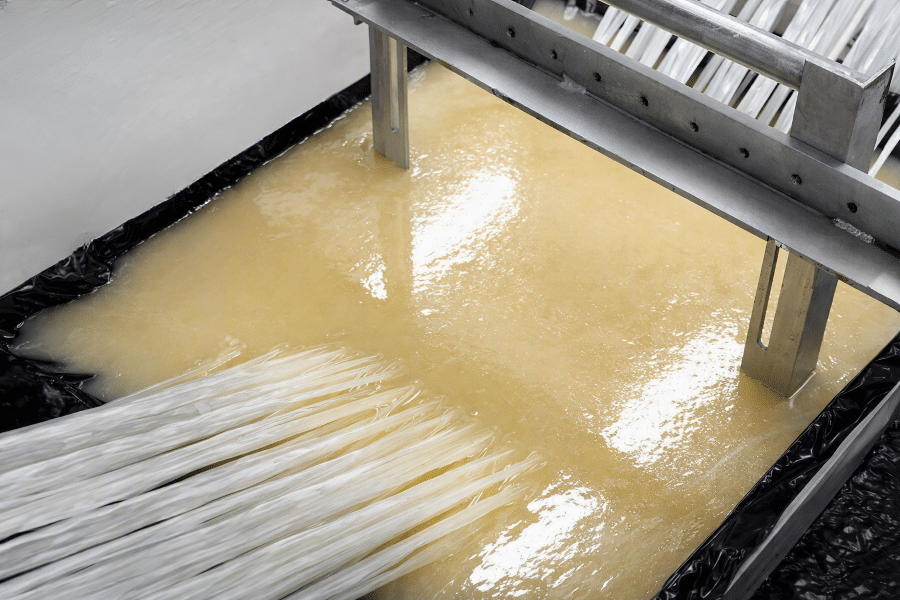
We also offer HIGHTEMP 221, a single-component epoxy system listed in our potting compound category. The product is heated until it becomes a clear, fluid resin, then poured and allowed to cure. Its listed characteristics include an extended pot life, low viscosity and a cured casting that can accommodate internal stresses caused by differences in expansion. We also identify transformer impregnation as an application, including a reported case in which treated transformers experienced reduced operating noise.
Specialty anhydride curing agents and formulated potting resins serve different roles in epoxy applications. HIGHTEMP 221 should not be assumed to use an anhydride curing system without confirmation of its formulation. Reviewing the technical documentation for each product is the best way to determine its chemistry and suitability for a particular application.
Choosing the Right Epoxy System
Anhydride curing agents offer useful characteristics for electronics manufacturing, but no single curing agent or potting compound suits every application. Manufacturers need to evaluate processing conditions alongside the finished material’s electrical, thermal and mechanical requirements.
Factors such as component size, enclosure design, heat generation, cure temperature and production volume can all influence material selection. At Broadview, we offer specialty anhydrides and epoxy products for manufacturers evaluating materials for these applications. Our product information can help you compare available options and identify which specifications deserve closer attention during the selection process.
As electronic assemblies place greater demands on insulation and material performance, understanding the relationship between epoxy resins, curing agents and potting compounds becomes increasingly useful. We’re here to help manufacturers explore the specialty anhydride and epoxy materials that fit their application requirements.