Cast Electrical Insulators and Bushings for Demanding Applications
When you look at the components that keep high-voltage electrical systems functioning safely, some of the most important parts are the ones you rarely see. Electrical insulators and bushings perform the essential work of supporting conductors, keeping electricity contained within its path and protecting equipment from environmental damage.
For the most demanding applications, manufacturers increasingly turn to cast resin systems to produce these components and we at Broadview Technologies have been supplying the material science behind these systems since 1970.
What Cast Resin Systems Offer
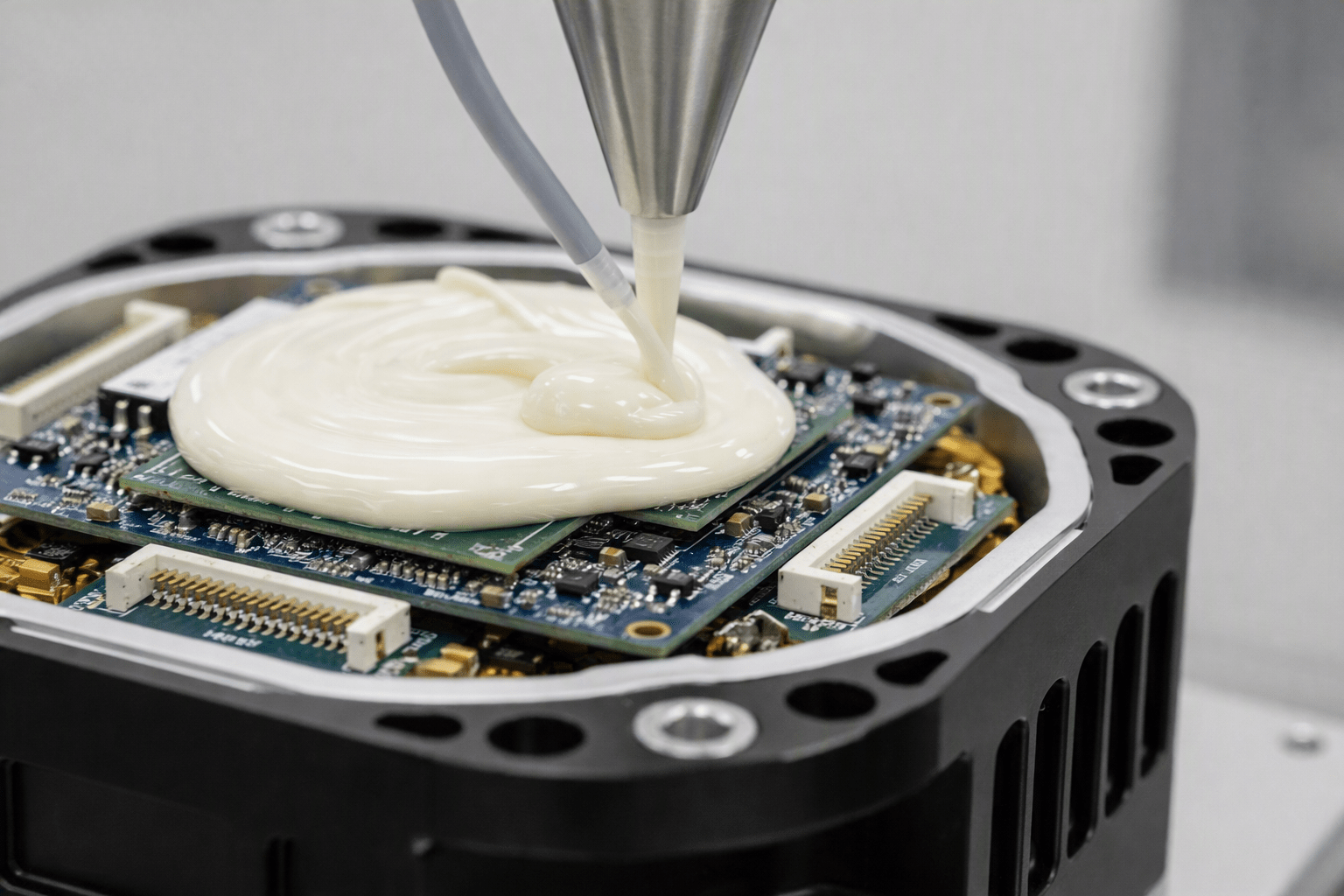
A cast electrical insulator or bushing starts as a liquid epoxy resin system that gets poured into a mold containing the conductor and any other embedded parts. Once cured, the resin forms a solid, monolithic structure that provides excellent dielectric protection, mechanical support and resistance to moisture and contamination. This approach offers distinct advantages over traditional porcelain or oil-filled designs.
The material selection matters enormously. Epoxy systems cured with anhydrides provide superior electrical insulation properties and thermal stability compared to other curing agents. Broadview has been developing specialty anhydrides for epoxy curing since 1970, offering products like AC-59 that impart excellent electrical insulation and durability in constant high heat and moisture applications. Our Meth/E anhydride, a liquid alicyclic compound, provides outstanding electrical insulation and arc resistance that makes it ideal for electronic encapsulation.
Key Performance Requirements
Dielectric Strength
The primary job of any insulator is to withstand high voltages without allowing current to leak through. Cast resin systems must maintain their dielectric strength throughout their service life, which means the formulation and curing process must be carefully controlled. The degree of crosslinking in the cured resin directly affects its dielectric properties.
Thermal Stability and Dimensional Accuracy
Electrical equipment generates heat during operation and outdoor equipment faces temperature swings from freezing cold to blistering heat. The resin system needs to maintain its shape and properties across this range. Anhydride-cured epoxies like those we produce offer high glass transition temperatures and minimal shrinkage during casting. This makes sure that the bushing maintains a tight seal and proper clearances throughout its service life.
Moisture and Environmental Resistance
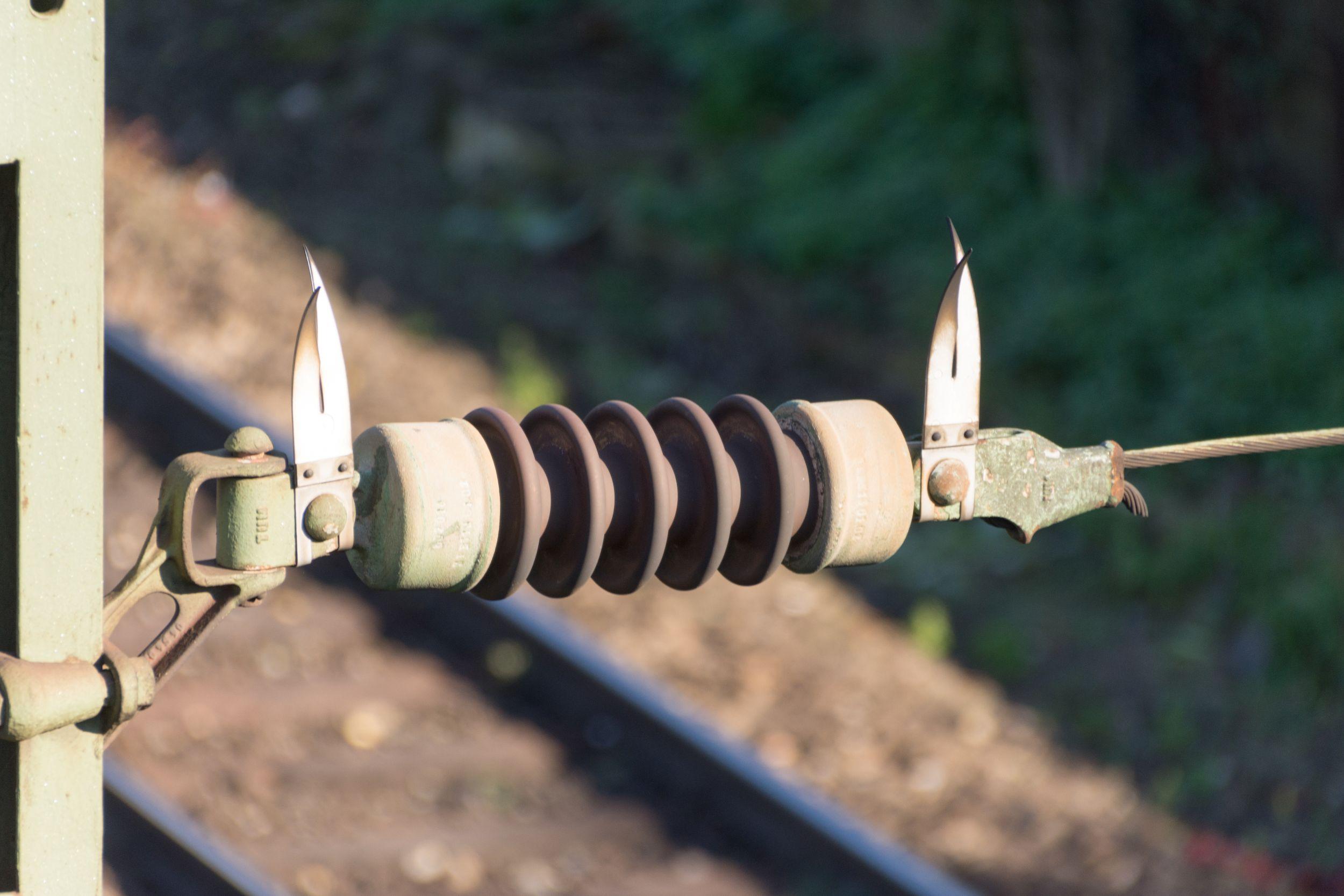
Outdoor electrical equipment faces rain, humidity, salt spray and chemical contaminants. Saturated anhydride curing agents provide excellent moisture resistance and UV stability. This is non-negotiable for applications like outdoor electrical transmission insulators..
Arc and Tracking Resistance
Contaminants can create conductive paths that lead to surface tracking or arcing when they accumulate on the surface of an insulator and the resin formulation must resist this degradation. Anhydride-cured systems with proper formulation provide the arc resistance needed for reliable outdoor operation.
Adhesion to Embedded Components
Many bushings and insulators incorporate metal conductors, mounting flanges or other embedded components and the cured resin must adhere firmly to these parts to prevent voids or gaps that could lead to partial discharge. The one-piece cast construction found in modern epoxy bushings eliminates the assembly steps and potential failure points associated with multiple components.
Application Areas
Transformers
Dry-type transformers rely heavily on cast resin insulation, which encapsulates the windings and provides both electrical insulation and mechanical support. Anhydride-cured epoxy systems are widely used in this application because of their excellent electrical properties and thermal performance.
Switchgear and Power Distribution
Medium and high voltage switchgear frequently employs cast resin insulators and bushings that must fit within compact spaces while delivering reliable insulation. The ability to cast complex shapes with tight tolerances makes resin systems ideal for this application.
Industrial Electrical Systems
From motor starters to large drives, industrial equipment needs good insulation that can handle vibration, temperature cycling and contamination. Cast resin components offer the toughness and environmental resistance needed in factory and utility environments.
How Manufacturing Influences Reliability
Resin Formulation
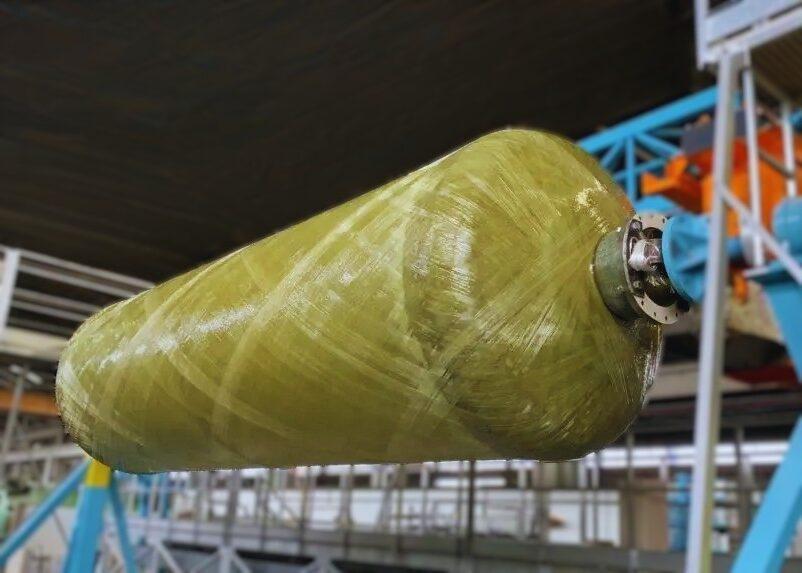
The specific blend of epoxy resin, anhydride curing agent, filler materials and any accelerators determines the final properties of the component. Different anhydrides provide different characteristics. Unsaturated anhydrides serve as the workhorses for filament winding and electrical potting, while polyanhydrides offer excellent thermal shock resistance and vibration damping. Selecting the right combination requires careful attention to the operating conditions the component will face.
Mold Design and Degassing
The mold design determines the shape, dimensional accuracy, and surface finish of the finished component and cast resin bushings are frequently cast as a single piece to eliminate assembly steps and reduce potential failure points.
Air bubbles trapped in the resin during casting create voids that reduce dielectric strength and can lead to partial discharge, so degassing the resin mixture under vacuum removes these bubbles before curing begins. Holding the resin and hardener at specific temperatures under vacuum guarantees consistent mixing and filler dispersion.
Curing Process
The curing schedule significantly affects the final properties of the resin. Insufficient curing leaves the polymer network incomplete, resulting in lower glass transition temperatures and reduced dielectric strength. The time and temperature of both the initial cure and post-cure must be matched to the specific formulation.
Quality Control
Every cast component should be tested to verify its dielectric strength, dimensional accuracy and freedom from voids or defects. We work closely with our customers to ensure that our curing agent systems meet the specific performance requirements of each application.
A Proven Alternative
Cast resin electrical insulators and bushings have been successfully replacing porcelain and oil-filled designs for decades. The technology continues to improve as manufacturers refine their formulations and processes and for equipment manufacturers and utilities, these components offer a dependable solution that simplifies installation, reduces maintenance and performs reliably in demanding environments.