How Anhydride Curing Mechanisms Work in Epoxy Systems
A curing agent is needed for when an epoxy resin needs to harden into a solid material. Amines are the most common choice, but in many industrial applications, formulators turn to anhydrides instead. Understanding anhydride curing mechanisms helps explain why these materials show up in everything from electrical potting compounds to high-voltage insulation.
The Basic Chemistry of Anhydride Curing
An anhydride starts as a dicarboxylic acid that has had water removed, leaving behind a ring structure. When that ring comes into contact with an epoxy resin, it opens up and reacts. This opening step needs a hydroxyl group to get started and that hydroxyl can come from the epoxy resin itself, from water in the system or from an alcohol.
Once the ring opens, a carboxyl group forms and that carboxyl immediately reacts with another epoxy group. This creates an ester linkage and generates a new hydroxyl. That new hydroxyl can then react with another anhydride ring and the cycle repeats. A new network of crosslinks is built throughout the material. This chain reaction is what turns a liquid resin into a solid part.
Why Anhydrides Behave Differently Than Amines
Amines cure epoxy through a different mechanism by adding directly across the epoxy ring without the need for an opening step. What you get is increased shrinkage and a network that acts differently under heat and in wet environments.
Anhydrides produce ester linkages instead of the amine linkages you develop in amine-cured systems, whereas esters handle heat better and do not soak up water as readily. That’s why anhydride-cured epoxies show lower dielectric loss at higher temperatures and hold up longer in conditions that are humid.
The Role of Hydroxyls and Accelerators
Anhydrides react slowly on their own. If you mix epoxy with an anhydride and nothing else, the cure might take many hours at high temperature. So in practice, manufacturers add small amounts of accelerators to speed things up. Tertiary amines are a common choice, usually at 0.5 to 3 percent by weight.
The presence of hydroxyl groups also matters. Epoxy resins made from bisphenol A naturally contain secondary hydroxyls along their backbones. Those hydroxyls help kick off the reaction. Resins with more hydroxyl content cure faster with anhydrides.
Monoanhydrides vs. Dianhydrides
Anhydrides fall into two main categories for practical use.
Mono cyclic anhydrides contain one anhydride ring. When the ring opens, that molecule becomes difunctional. Common examples include MTHPA, MHHPA and Meth-E anhydride. These are low viscosity liquids at room temperature. They produce highly crosslinked networks with good electrical properties and excellent heat resistance.
Dianhydrides contain two anhydride rings that, when both open, make the molecule tetrafunctional. Meaning a higher crosslink density and higher glass transition temperatures. AC-32 produces very stiff, heat-resistant networks with excellent hot wet strength retention. AC-32 includes a flexible bridge between the rings, giving better toughness while retaining high temperature performance. And, AC-32 is soluble in liquid anhydrides.
Practical Advantages of Anhydride Curing
Manufacturers choose anhydride curing for a few good reasons. First, low exotherm and low shrinkage means less heat builds up during cure and there is less internal stress, which protects large castings and thick walled composites from cracking. Second, you get a long pot life. The mixture stays workable for 24 hrs or more and you can add accelerators on demand when you are ready to cure.
Water resistance also improves because anhydride-cured systems pick up less moisture than amine-cured ones and electrical properties hold up better at higher temperatures. Each one of these benefits traces back to the ester linkages and high crosslink density that anhydrides produce.
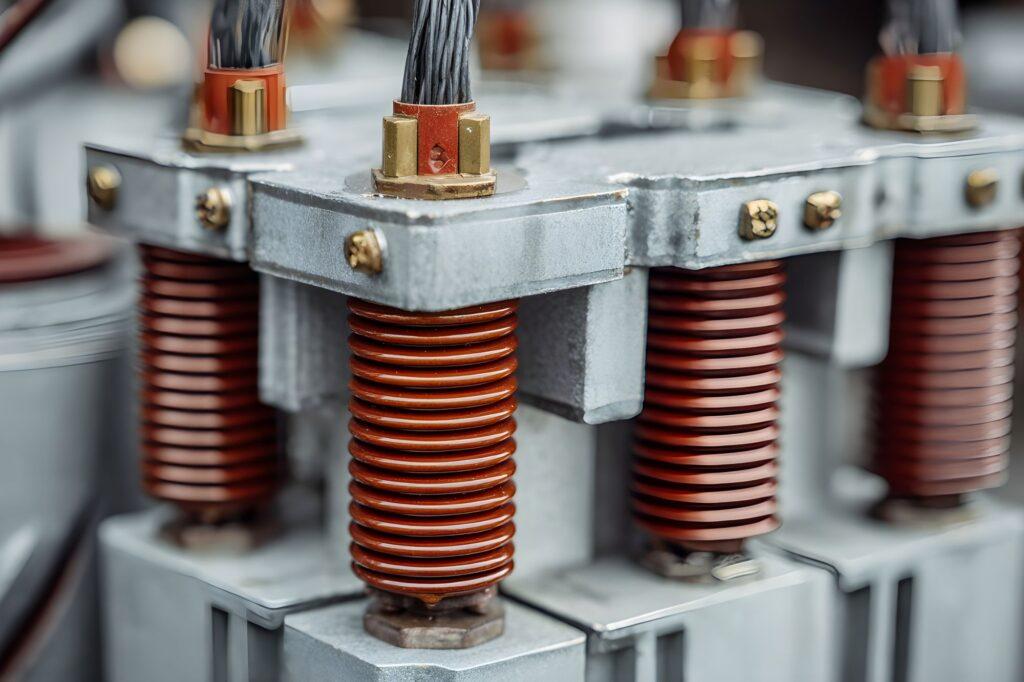
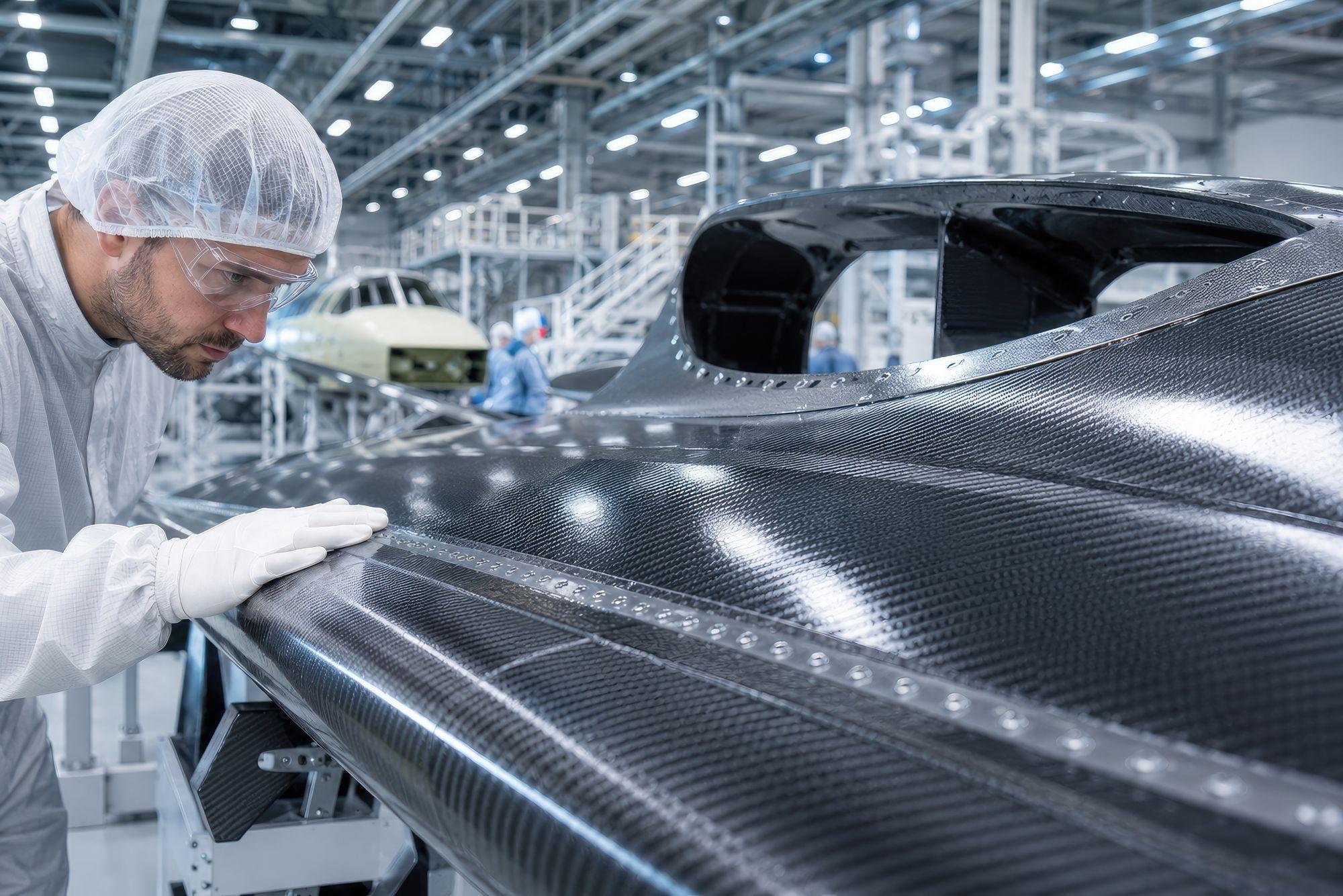
You will find anhydride-cured epoxies in filament-wound tubes, pultruded rods, electrical insulation for high-voltage transformers, potting compounds for ignition coils, LED encapsulation and structural composites for aerospace. Each application takes advantage of the heat resistance, electrical properties or low moisture pickup that anhydride curing provides.
Broadview Technologies offers a range of specialty anhydrides for these applications, including liquid monoanhydrides, solid dianhydrides and pre-catalyzed systems.