How Pultruded Composite Components Improve Strength and Durability
When a component needs to handle structural loads while also resisting moisture, chemicals or electrical exposure, the material can make a major difference. Metals like steel and aluminum are common choices, but they can add weight, conduct electricity or require protection against corrosion. They also stretch over time. Pultruded composites offer another option for applications where those factors matter.
How the Pultrusion Process Works
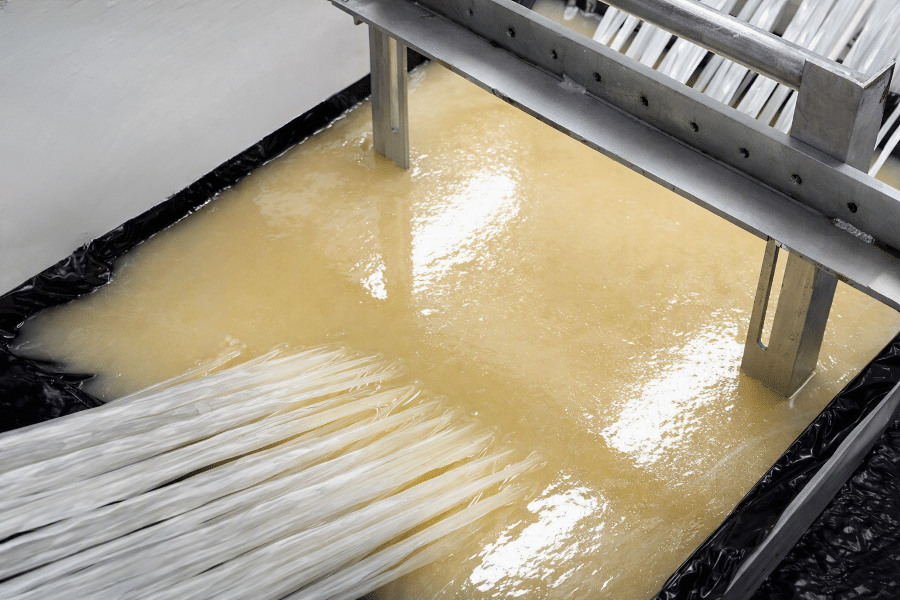
Pultrusion is a continuous manufacturing process used to produce composite profiles with a consistent cross-section. Continuous reinforcing fibers are pulled from spools and guided through a resin bath, where the fibers become saturated with the polymer resin. The resin-coated fibers then enter a heated die that shapes the material and provides the heat needed for curing.
As the resin cures, it forms a solid matrix around the fibers. Pulling equipment draws the cured profile through the die and the finished material can then be cut into the required lengths. Because the material moves continuously through a fixed die, pultrusion works particularly well for products such as rods, tubes, channels, angles, beams and other profiles that maintain the same shape along their length.
Four Factors That Shape the Finished Component
Fiber reinforcement: Continuous fibers provide much of the composite’s strength and stiffness. In pultruded profiles, these fibers run along the length, which gives the material strong longitudinal properties. Glass, carbon and other reinforcement types can be used depending on the application.
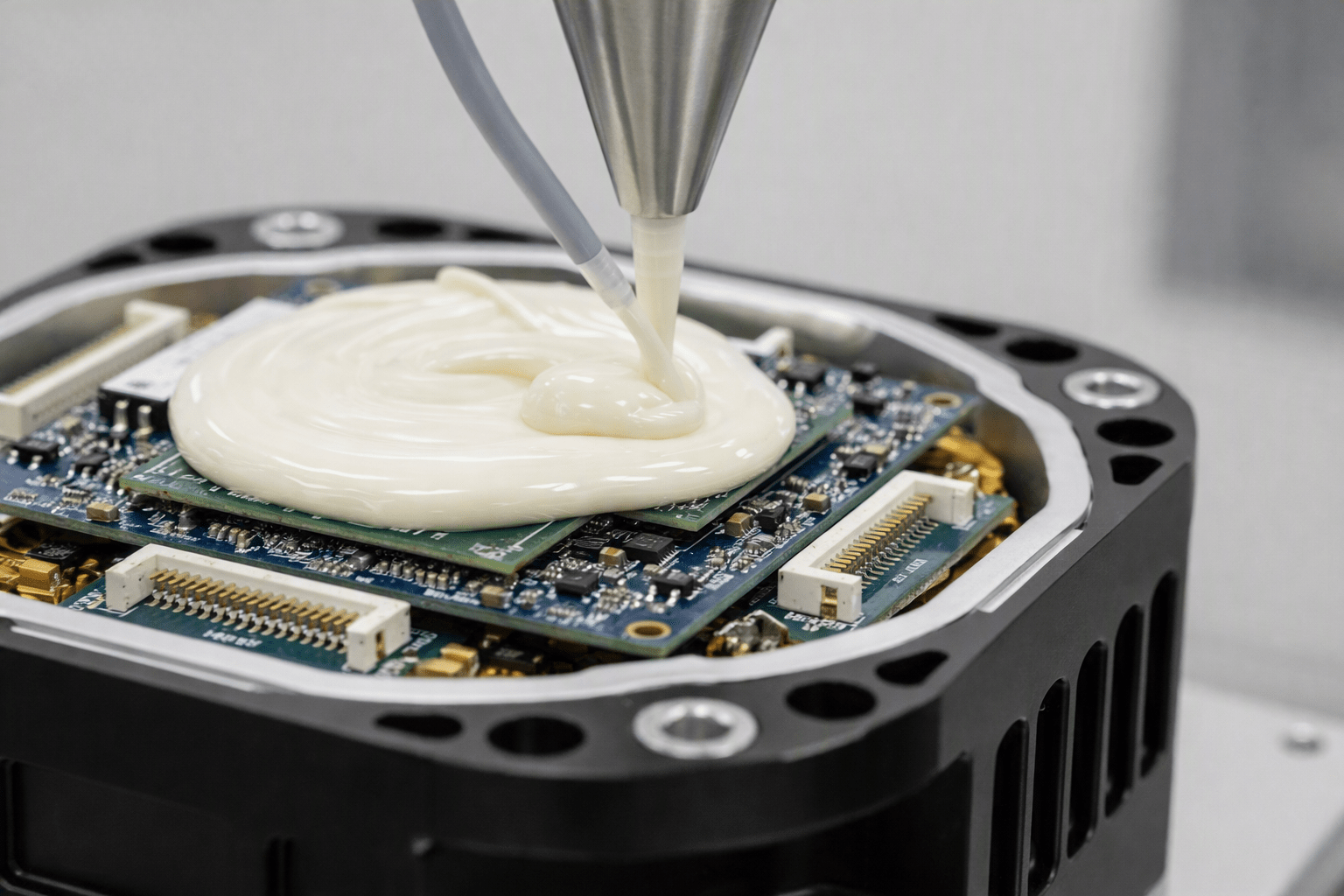
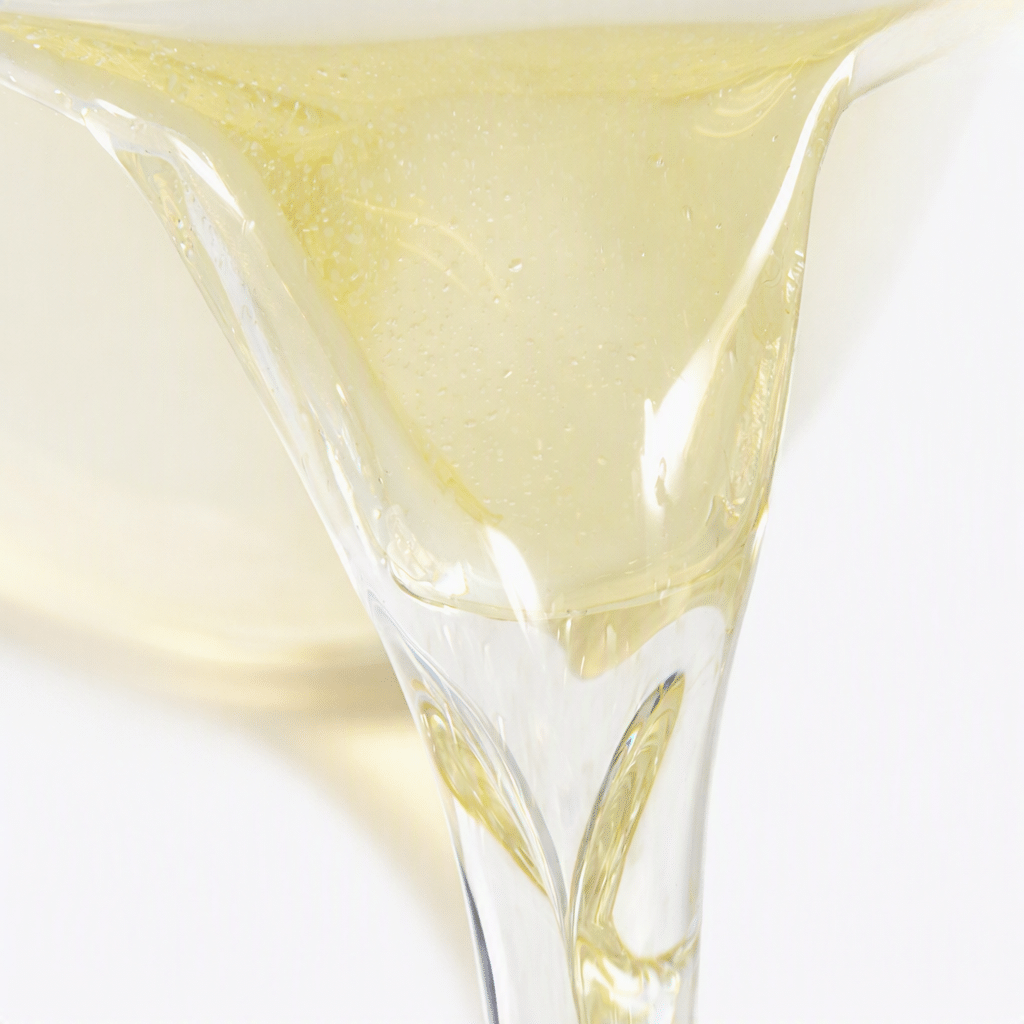
Resin selection: The resin forms the matrix surrounding the fibers and affects properties such as chemical resistance, temperature performance and electrical behavior. Epoxy, polyester, vinyl ester and other resin systems can be used in pultrusion. Broadview Technologies manufactures specialty anhydrides used as curing agents for epoxy resins, including applications involving pultrusion.
Curing: Heat from the die activates the curing system and changes the resin from a liquid into a solid matrix. The resin formulation, temperature and time spent in the die all affect how the composite cures and develops its final properties.
Profile geometry: The shape of the finished profile influences how it carries loads. Channels, I-beams, tubes and angles can place material where it contributes to stiffness and structural support while maintaining a consistent shape along the profile.
Why Use Pultruded Composites?
The combination of continuous reinforcement and polymer resin gives pultruded components several useful characteristics. They can provide high longitudinal strength and will not stretch over time under load. These pultruded composite parts also weigh less than many metal alternatives and they do not rust or oxidize. They can also offer good resistance to many corrosive environments, depending on the resin system selected.
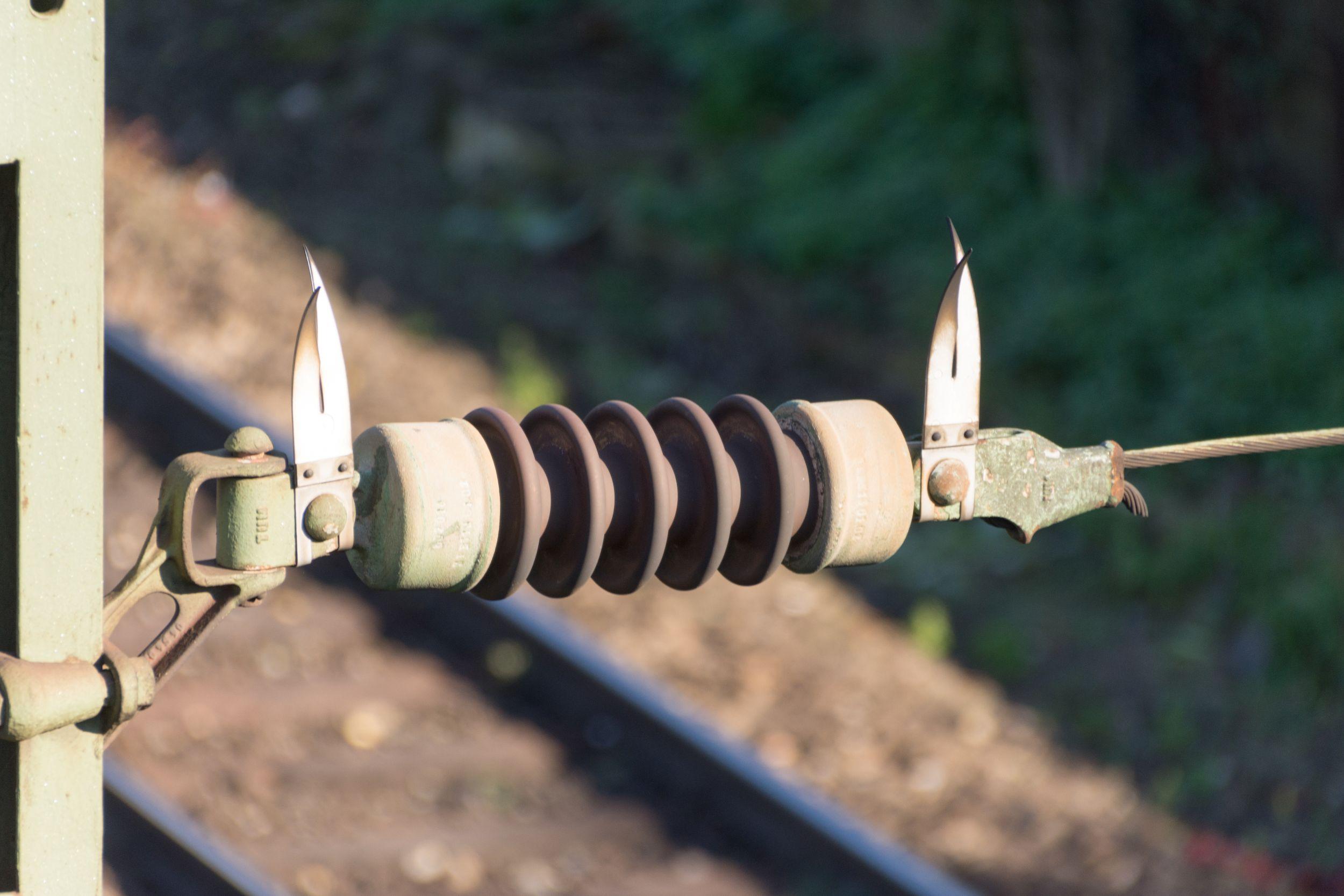
Glass-fiber-reinforced composites are useful around electrical equipment and infrastructure because they are electrically insulating. The continuous manufacturing process also produces profiles with consistent dimensions, which can be helpful when components need to fit repeatedly into an assembly.
A Hypothetical Application
Consider a wastewater-treatment facility where structural supports are exposed to moisture and corrosive chemicals. A steel member could perform the structural job but may require corrosion protection and periodic maintenance. A pultruded fiberglass channel could be considered as an alternative where its structural properties, environmental resistance, electrical characteristics and lower weight meet the project’s requirements.
This is a hypothetical example rather than a description of a Broadview Technologies customer project. Actual material selection would depend on loads, environmental exposure, temperature, connections, fire requirements and applicable design standards.
Pultrusion brings fiber reinforcement, resin chemistry, curing and profile geometry together in one continuous process. When those elements are selected for the application, the resulting component can provide a useful combination of strength, corrosion resistance, electrical insulation, low weight and dimensional consistency. The right choices help to control exotherm, provide good smooth surfaces and do not necessitate high pull forces. Broadview has the expertise and experience to help develop systems customized to meet customers needs.